A carpool is a small handoff of trust. You are putting your child in someone else's car, with someone else's driving habits, on someone else's schedule. Most of the time this is fine. The families you carpool with are usually the families you already know from school pickup or the soccer sideline. But "usually fine" is not a safety standard.
The good news is that the work to get from "usually fine" to "actually solid" is not that much. Most of it happens before the first ride, in about an hour of conversation and one shared document.
Here is the checklist.
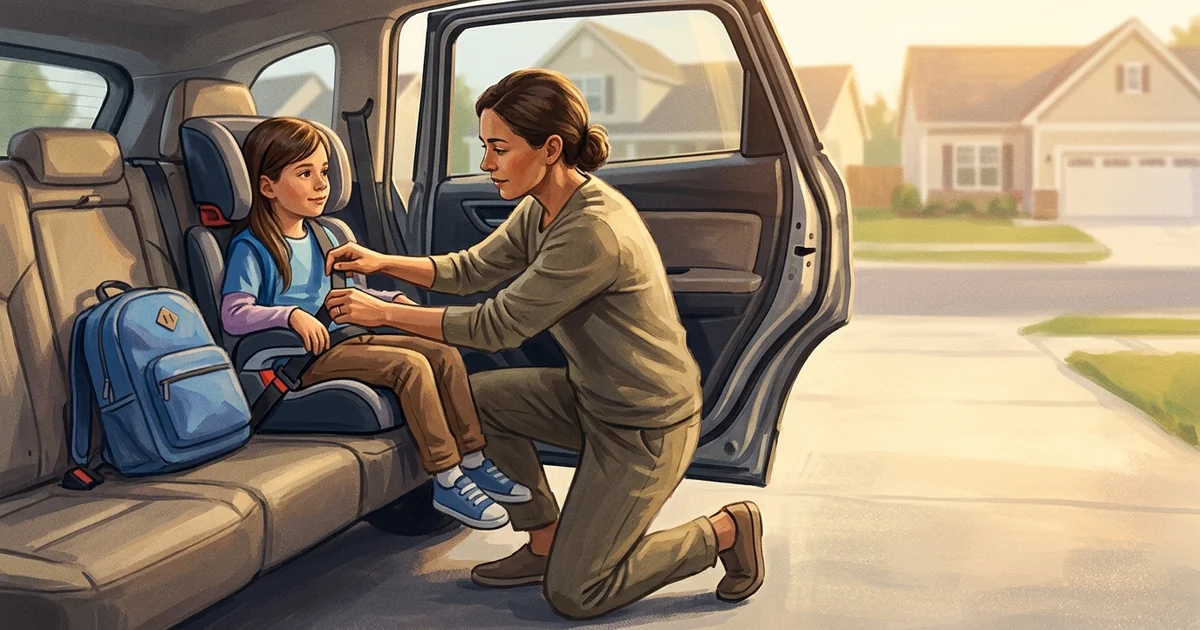
Before the First Ride
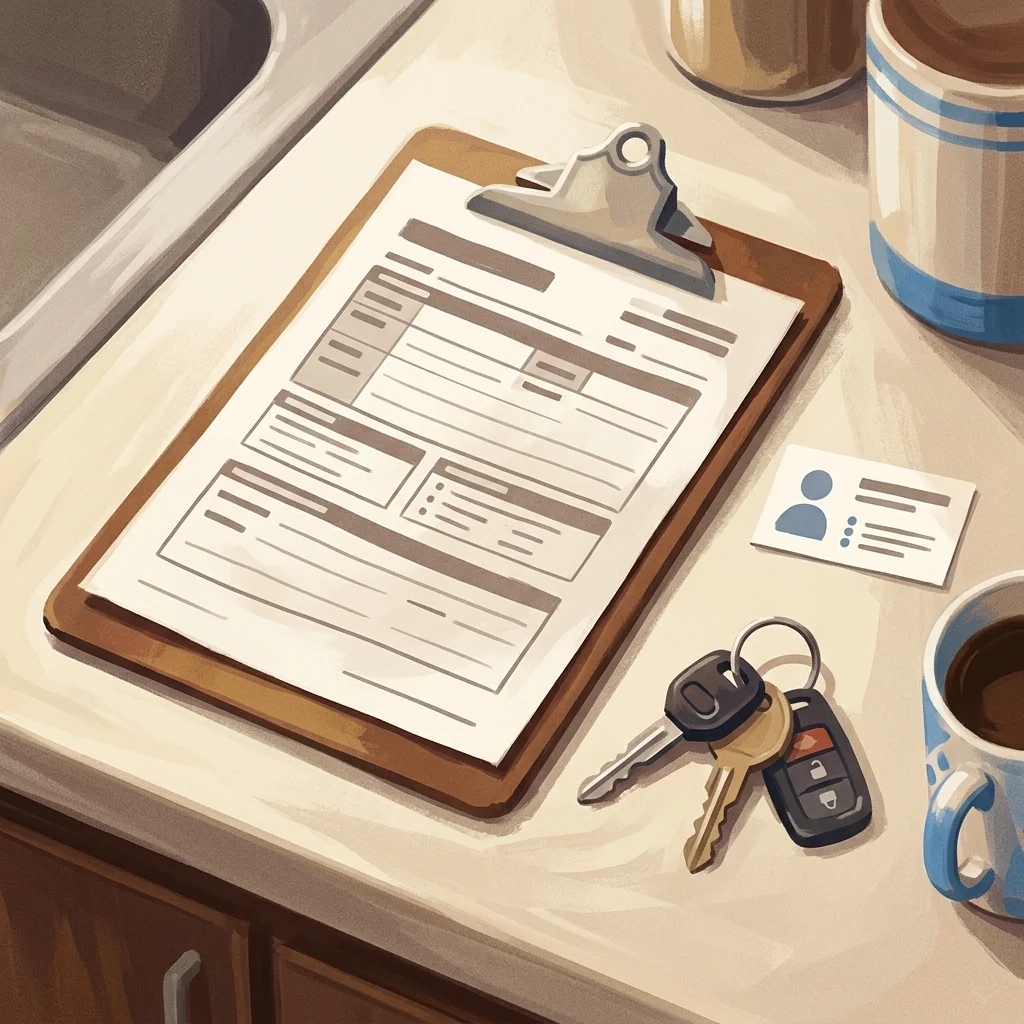
This is where the highest-leverage work happens. Anything you set up here keeps paying off for the rest of the school year.
1. Build a one-page emergency sheet for each kid
Every driver in the carpool should have, before the first ride, a short document for each child they may transport. It does not need to be fancy. A shared note or a printed card in the glove box both work. What it should contain:
- Child's full name and date of birth
- Both parents' names and current cell numbers
- A second emergency contact (grandparent, aunt, neighbor) with number
- Pediatrician name and number
- Insurance carrier and member ID
- Allergies and medications, including dosage if relevant
- Any medical condition a first responder would want to know about (asthma inhaler location, EpiPen location, seizure history)
2. Get the car seat situation right, not approximately right
This is the one safety topic where people most often estimate when they should be measuring. The NHTSA guidelines (nhtsa.gov/equipment/car-seats-and-booster-seats) are the source of truth, and they are stricter than most parents realize:
- Rear-facing as long as the seat allows, typically until at least age 2
- Forward-facing harness until the child outgrows the seat's height or weight limit
- Booster seat until the seat belt fits properly without it, which for most kids is age 10-12 and at least 4'9"
- Back seat until age 13
For carpools where kids rotate between cars, the cleanest setup is each child traveling with their own booster. Slim-profile and inflatable boosters exist for exactly this case.
3. Make a real drivers list and confirm everyone on it
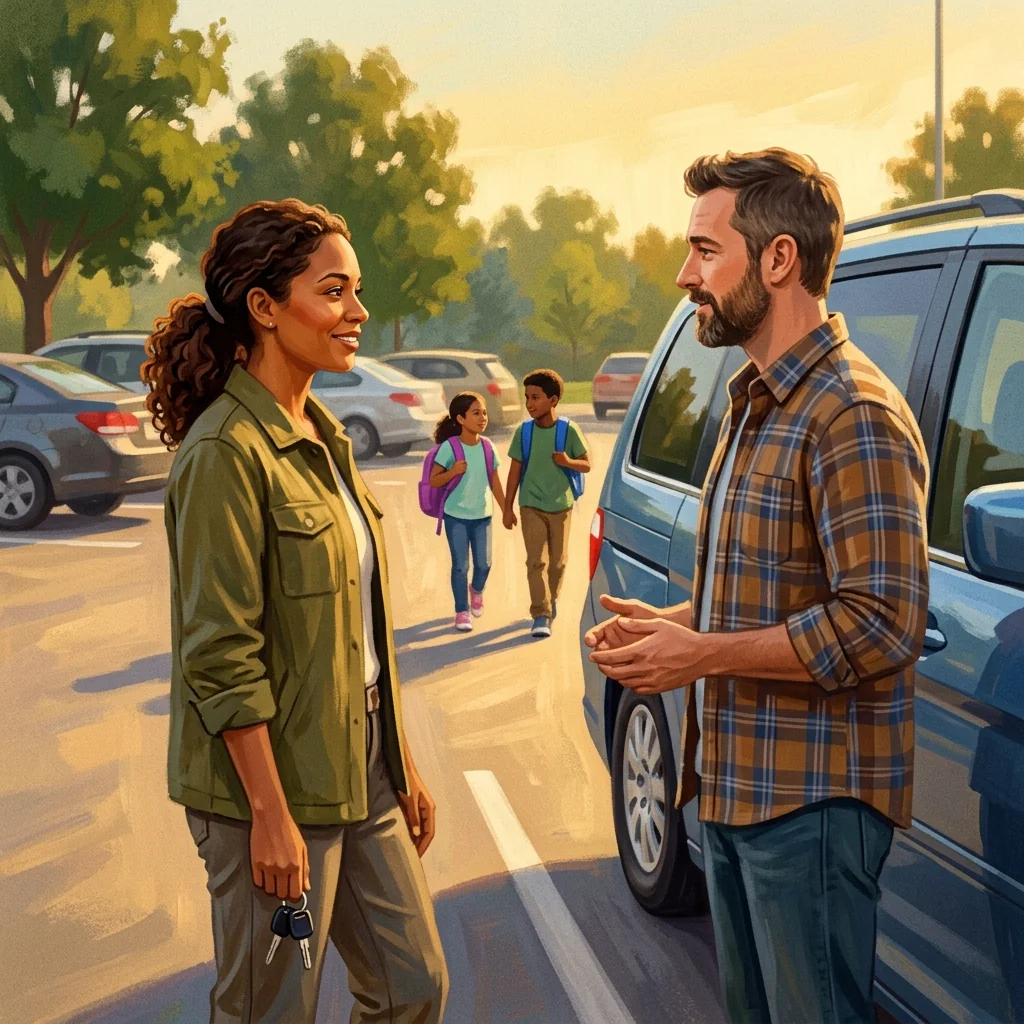
Write down every adult who is authorized to drive your child. Names, phone numbers, vehicle make and color, license plate. Share that list with the school office if your school keeps a pickup-authorization list (most do). Share it with each carpool family.
The flip side: be clear about who is not on the list. If a carpool parent's new partner starts showing up to do the driving and you have never met them, that is a conversation, not a shrug. You are not being uptight. You are doing the actual job.
4. Have the insurance conversation once, plainly
Most parents have never asked a carpool partner about their auto insurance and most never will. That is fine if everyone is carrying real coverage. It is a problem if someone is driving on a lapsed policy or state-minimum liability that would not cover a serious incident.
You do not need to audit anyone's policy. You do need to confirm, out loud, that everyone driving carries valid insurance with reasonable bodily-injury coverage. A simple "are you all set on insurance?" gets you there. If someone gets cagey, that is information.
In most states, the driver's auto insurance is the primary coverage in a crash regardless of whose kid is in the car, and your own policy generally backs it up. Your insurance agent will answer carpool questions for free if you want to be precise about it.
5. Agree on the basics in writing
Before the first ride, the group should align on:
- Pickup and drop-off addresses (and which door)
- Time windows
- What "running late" means and how it gets communicated
- Phone policy (more on this below)
- Snack and food rules, especially around any allergies in the group
- What happens if a child is sick
Day-Of Safety
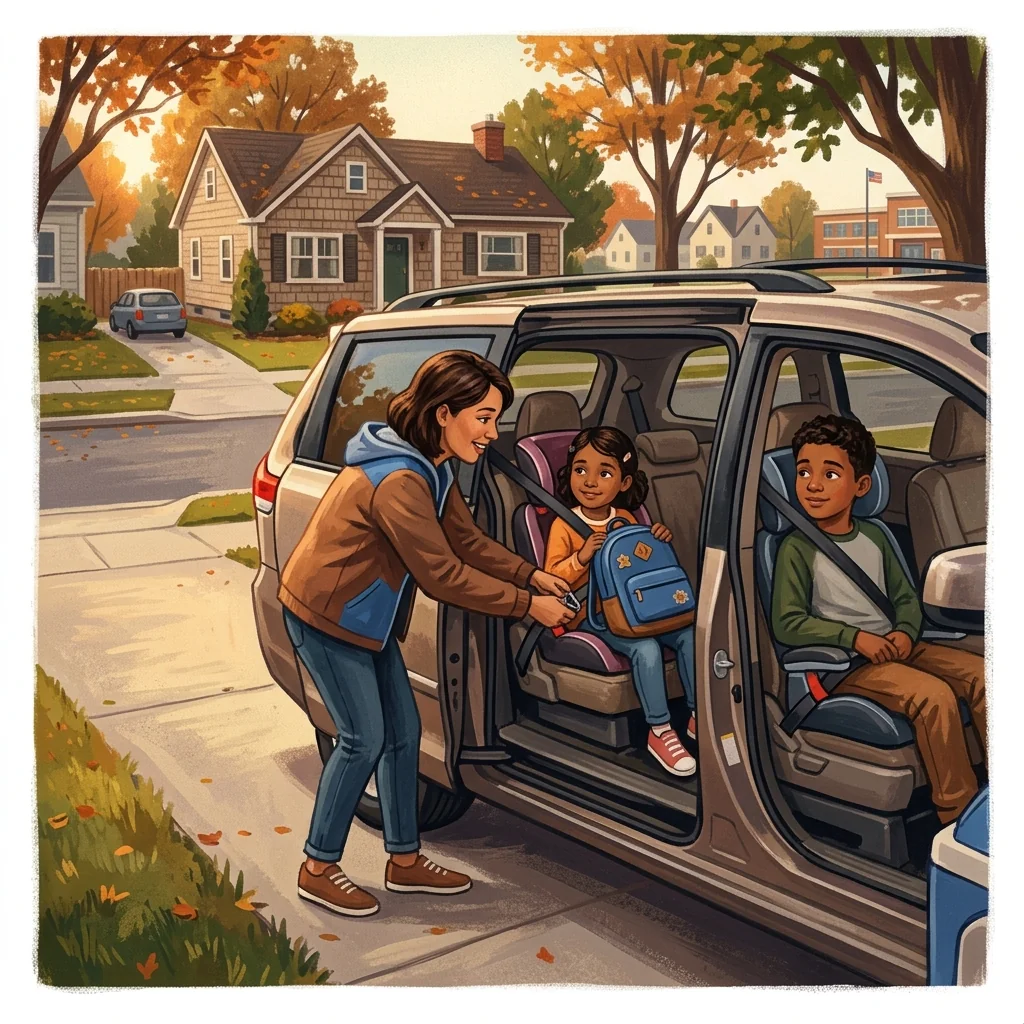
The before-the-ride work is foundational. The day-of work is what keeps the system honest.
6. Use a check-in protocol
The single highest-value habit in any carpool is the driver sending a short message when kids are picked up and again when they arrive. "Got Em and Liam, heading to school" and then "dropped off, both inside" closes the loop. It takes ten seconds. It tells the parent on the other end that everything is fine without them having to wonder or ask.
If you use a coordination app (Carpool-Q has this baked in; group texts can do it informally), make this the norm from the first week. After two weeks it is automatic.
7. Verify pickup at the school end
Most schools have a published dismissal protocol: a designated pickup zone, a name on a list, sometimes a placard on the dashboard. Use it. If your school does not have one, ask the front office how they handle authorized non-parent pickups. This is a problem they have already solved.
For younger kids, the child should know who is picking them up that day, by name and by car, before they leave the house in the morning. "Mr. Patel in the gray Honda" is something a six-year-old can hold onto. "Someone from the carpool" is not.
8. Have a weather rule and stick to it
The carpool should agree, in advance, on what kinds of weather change the plan. Snow, ice, heavy fog, thunderstorms with flooding, smoke from nearby fires. The agreement does not need to be elaborate. It needs to exist before the first bad-weather morning so nobody is making the call at 6:45 AM with a coffee in one hand.
A reasonable default: if school delays or closes, the carpool defaults to the school's call. If school is open but conditions feel marginal to the driver, the driver gets to opt out without negotiation. "I'm not comfortable on these roads today, you've got pickup" is a complete sentence.
9. Set the screens-and-supervision rule
Phones in the car are a real safety topic, not a generational complaint. Two angles to think about:
For the driver. No texting, no scrolling, no checking the carpool app while moving. If a message comes in, it waits for the next stop. This is the law in most states for adult drivers, and it is the standard you want for any adult driving your kid. For the kids. This one is up to each family, but the carpool should at least know each other's rules. Some parents are fine with screens in the car; others want the ride to be conversation time. If your kid is not allowed on YouTube and another parent's kid is, the kids will notice within one ride. Decide it once, communicate it, move on.10. Keep the doors locked and the count right
Two old-school habits that still matter. Doors locked once everyone is in. Headcount before pulling away from any stop. Headcount again before pulling away from the school. This is how you avoid the kind of mistake that ends up on the local news, the kind that comes from a perfectly normal driver having a perfectly normal distracted moment.
If it helps, do the count out loud. Kids think it is funny. It is also effective.
Trust and Screening
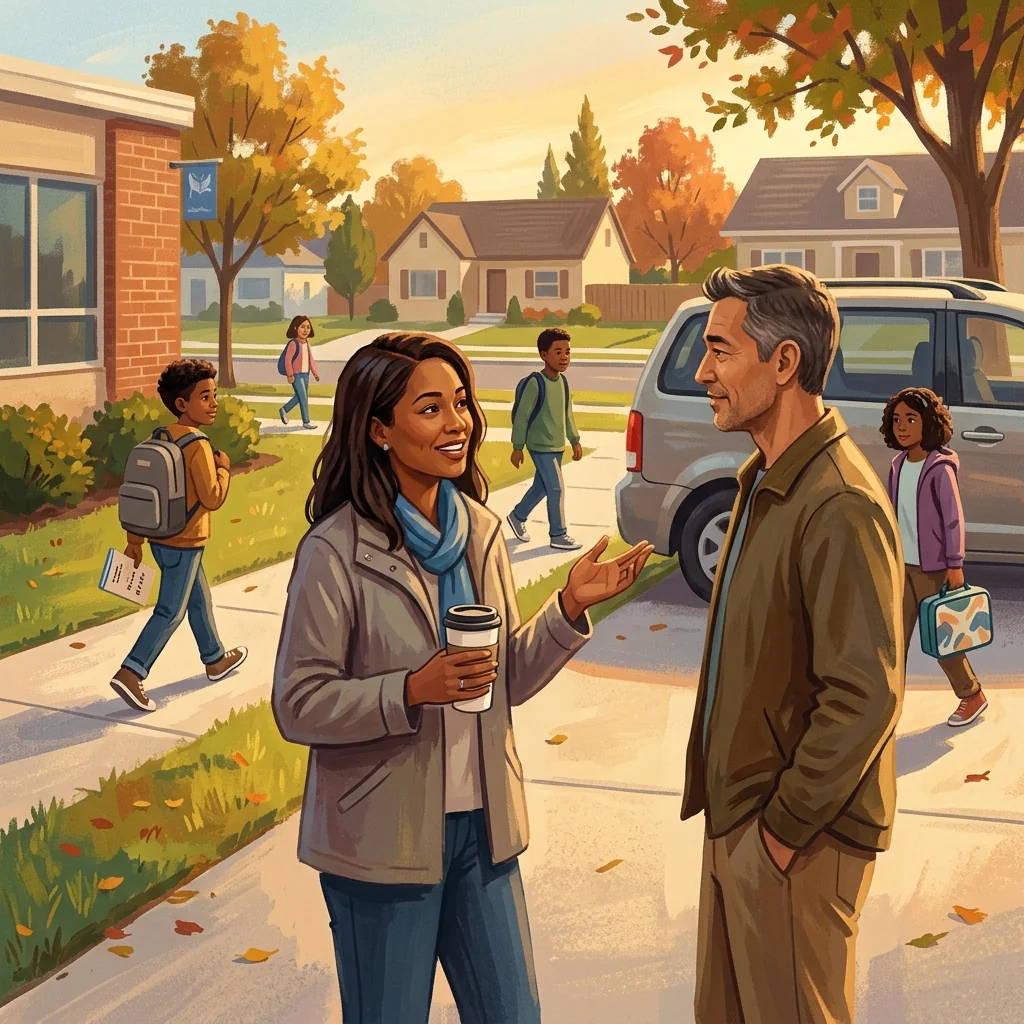
This is the part most parents skip and most carpool problems start.
11. Know the parent before you share your kid
A carpool partner is not a stranger you found on an app. They are a family you have actually spent time with. Before you commit to driving each other's kids, you should have:
- Met both parents in person, ideally more than once
- Been in their house or had them in yours
- Watched how they handle their own kids in a stressful moment
- Talked about something other than logistics
12. Run a basic background check if your gut is uncertain
If a family is new to you and you are going to share regular driving with them, services like Checkr, BeenVerified, and the background-check options built into some carpool platforms can run a basic check (driving record, criminal history) for under $50. You do not need to tell them you ran one. It is the same diligence a babysitting agency would do.
The bigger signal is your gut. If something feels off about a family and you cannot articulate why, you do not have to articulate why. "We're going to keep our carpool small this year" is a complete answer. "We decided to handle our own pickups" is also complete. You owe other parents kindness, not your child's safety.
13. Watch the first few rides
For the first week or two, find reasons to be present. Be the one who walks your kid out to the car. Notice how the driver greets the kids, whether the car seats are installed correctly, whether the car is reasonably clean and roadworthy, whether the driver is on their phone before pulling away. These are not deal-breakers individually. They are data.
If something looks off, raise it once, kindly and specifically. "I noticed you were on a call when you pulled up; can we keep phones off when the kids are in the car?" If the behavior continues, that is your answer about whether to keep going.
Frequently Asked Questions
What if my child has a serious allergy and another kid in the carpool brings the allergen?
This needs to be a group agreement, not a one-family request. If a child in the carpool has a peanut or tree-nut allergy that requires an EpiPen, the entire carpool should be a snack-free or allergen-free zone. Most parents are happy to comply once they understand it; the kids who object usually stop objecting once you explain it. Drivers should know where the EpiPen lives and how to use it.
How do I handle a carpool partner who I think is a sketchy driver?
Address it directly and early. "I noticed you took that turn pretty fast yesterday, can we keep it mellow with the kids in the car?" If the driving does not change, opt out. You do not need a debate. "It is not working for our family, we are going to handle our own pickups for now" closes it. Awkward for a week, fine after that.
What documentation should be in the car at all times?
Driver's license, current registration, current insurance card. For each child being transported: the one-page emergency sheet from tip 1, ideally laminated and kept in the glove box. If the child has a medical condition, a copy of the action plan from the pediatrician.
Does Carpool-Q help with safety?
Carpool-Q helps with the coordination side: who is driving, who is being picked up, when, and a clean record of all of it. That removes the "wait, who is supposed to be picking up Liam today?" category of mistake, which is a real safety win. But the screening, the car seats, the insurance conversation, the emergency sheet, the gut-check on whether to share your kid with a particular family. Those are bigger than any app. Do that work first, then use the app to keep it organized.
The Short Version
Safety in a carpool is mostly about doing the boring prep work once, in advance, with the families you have actually chosen carefully. Emergency sheets. Correct car seats. A clear drivers list. Insurance confirmed. Check-in messages. A weather rule. Phones down when driving. Headcounts. And a willingness to say no, kindly and clearly, when something does not feel right.
If you want a tool that handles the coordination side cleanly so you can focus on the rest, Carpool-Q at carpoolq.com is the one we built. Either way, do the prep work. It is the part that matters.